Our Vision:
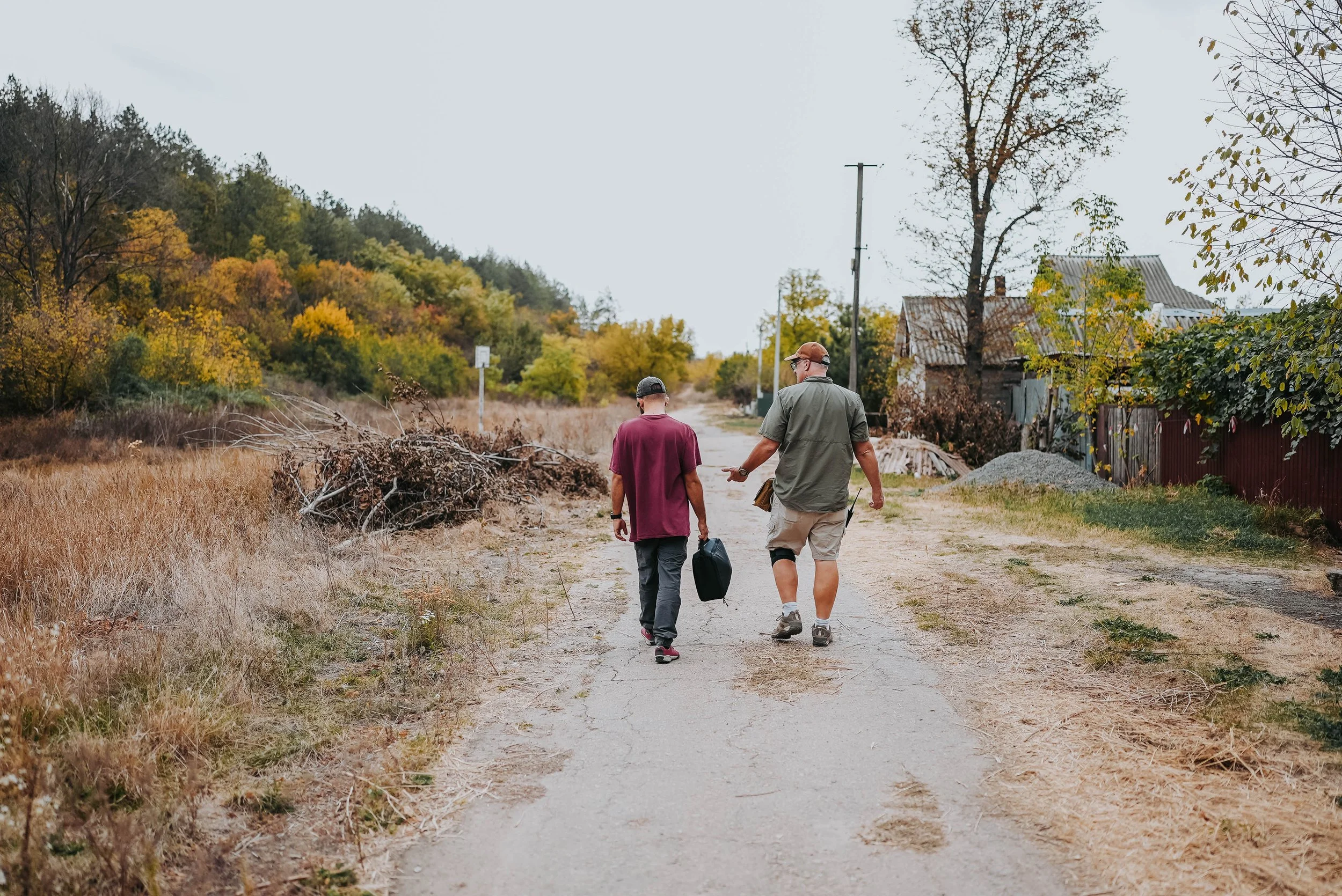
The war in Ukraine has brought immense destruction, especially in the east, where homes have been destroyed and families displaced—leaving many isolated and without hope. In this moment of deep need, people long to be seen, loved, and invited into lasting, life-giving relationships.
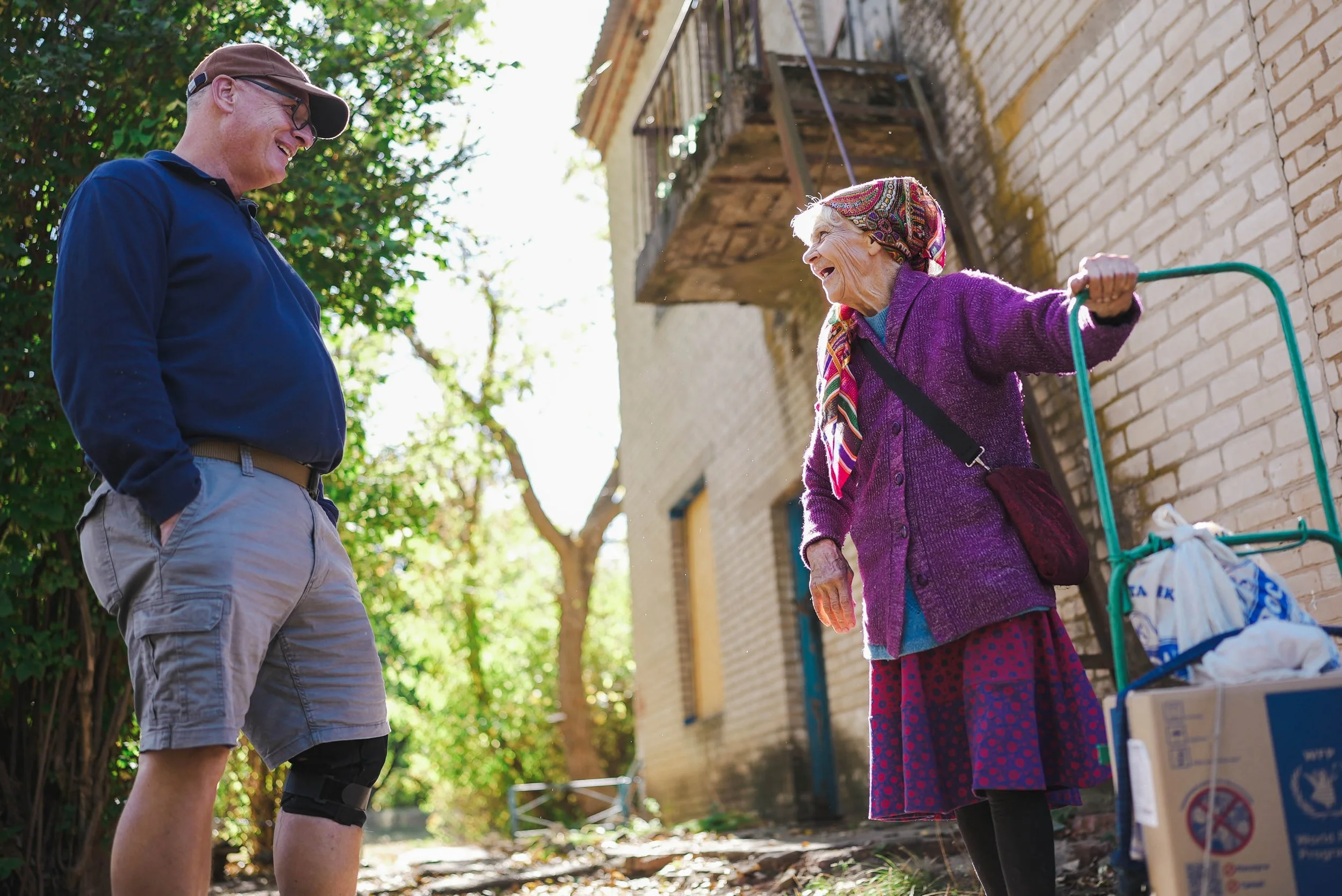
Harvest Ukraine exists to go where others will not—meeting the physical needs that arise from the war while building intentional, Gospel-centered relationships. Through ongoing discipleship, we walk alongside people as they encounter Jesus, grow in faith, and become disciples who make disciples. While hardship often opens hearts to the love of Christ, the need will not end when the war does—so our mission remains long-term, committed to restoration, rebuilding, and lasting hope for individuals, families, and communities.
What We Do
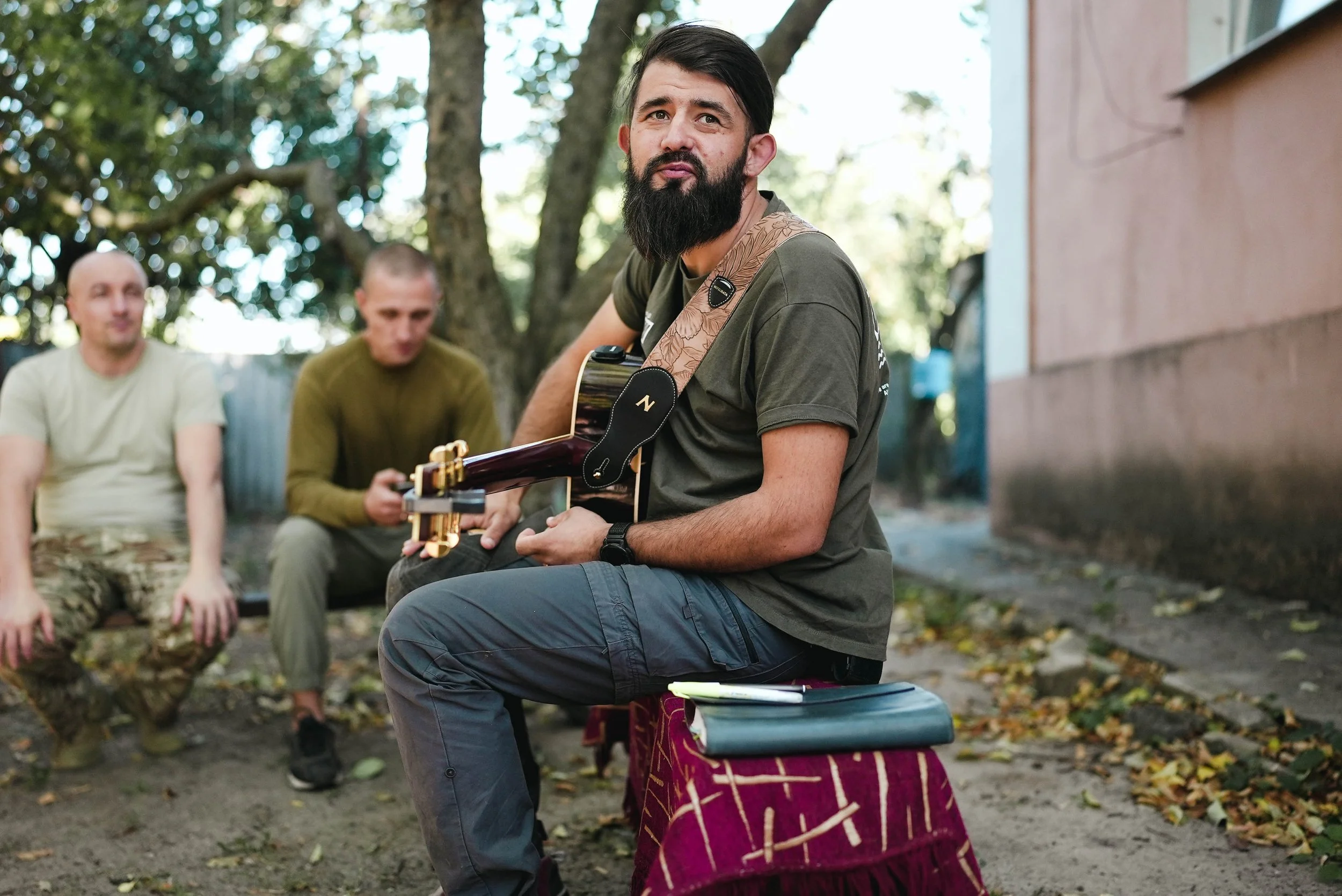
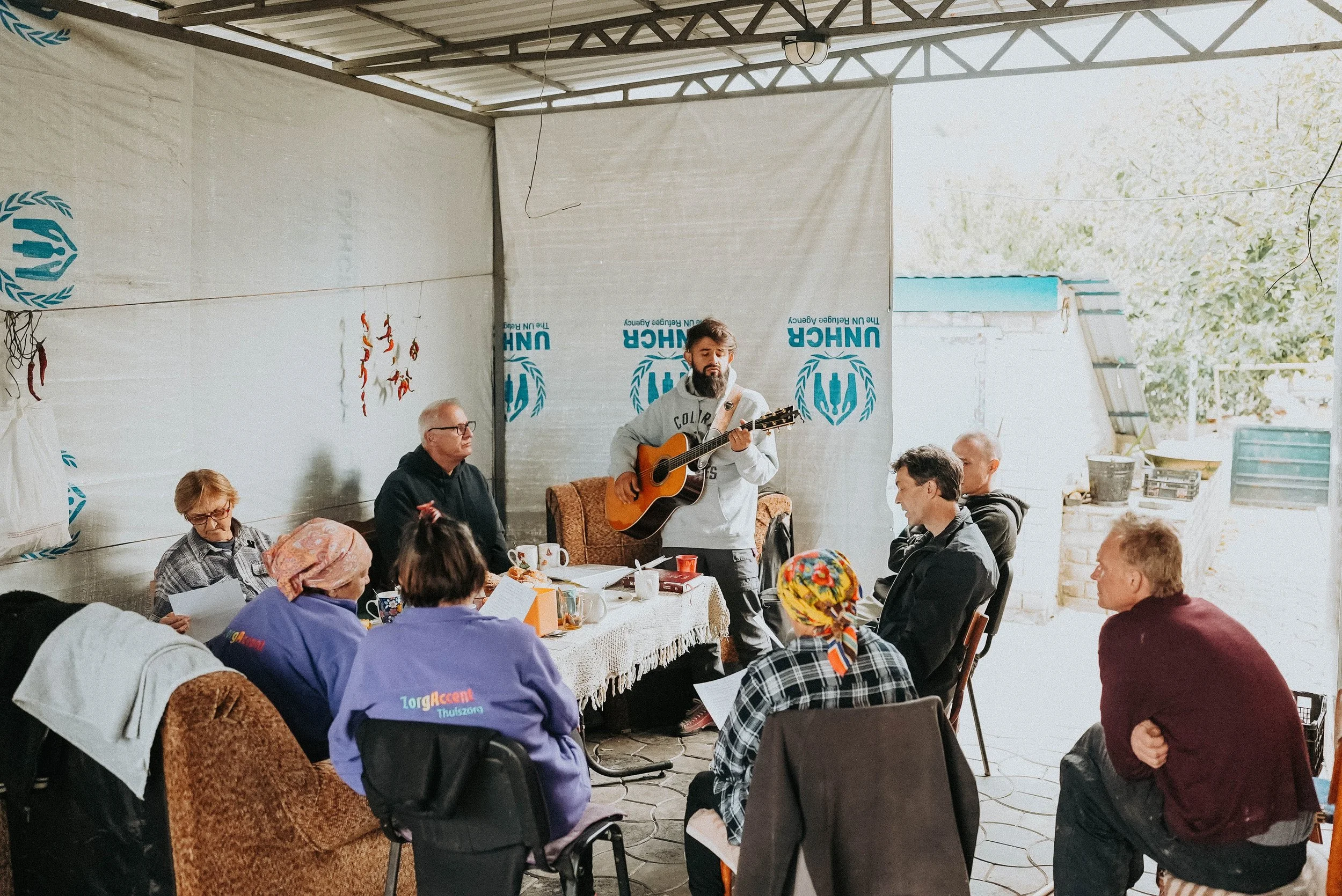
In Poltava and surrounding eastern villages, our home groups bring people together in a warm, welcoming environment. Meeting in local homes, participants build close, loving relationships while exploring the Bible and growing in their faith. These gatherings provide a space for discipleship, encouragement, and meaningful community connections.
Home Groups
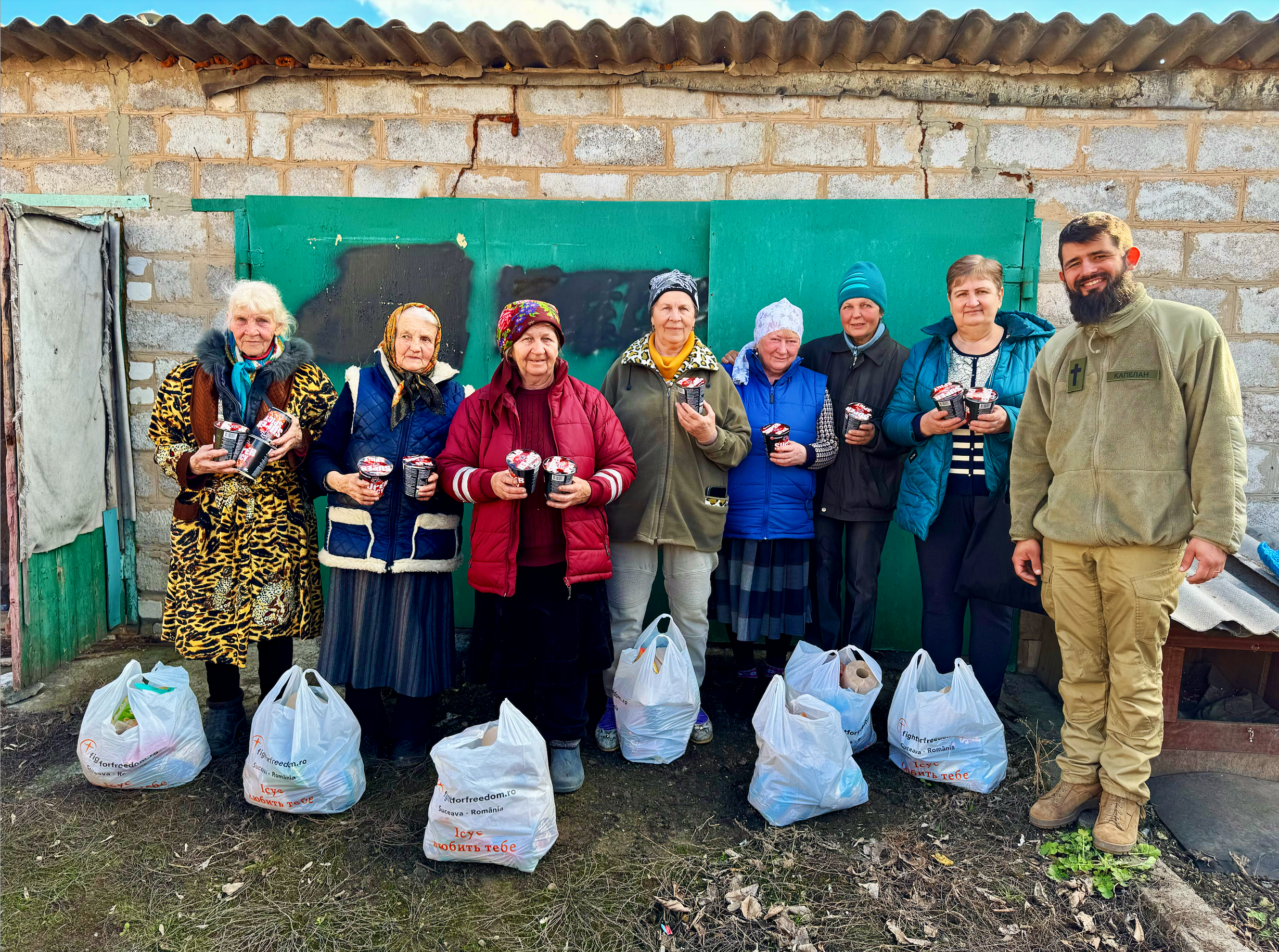
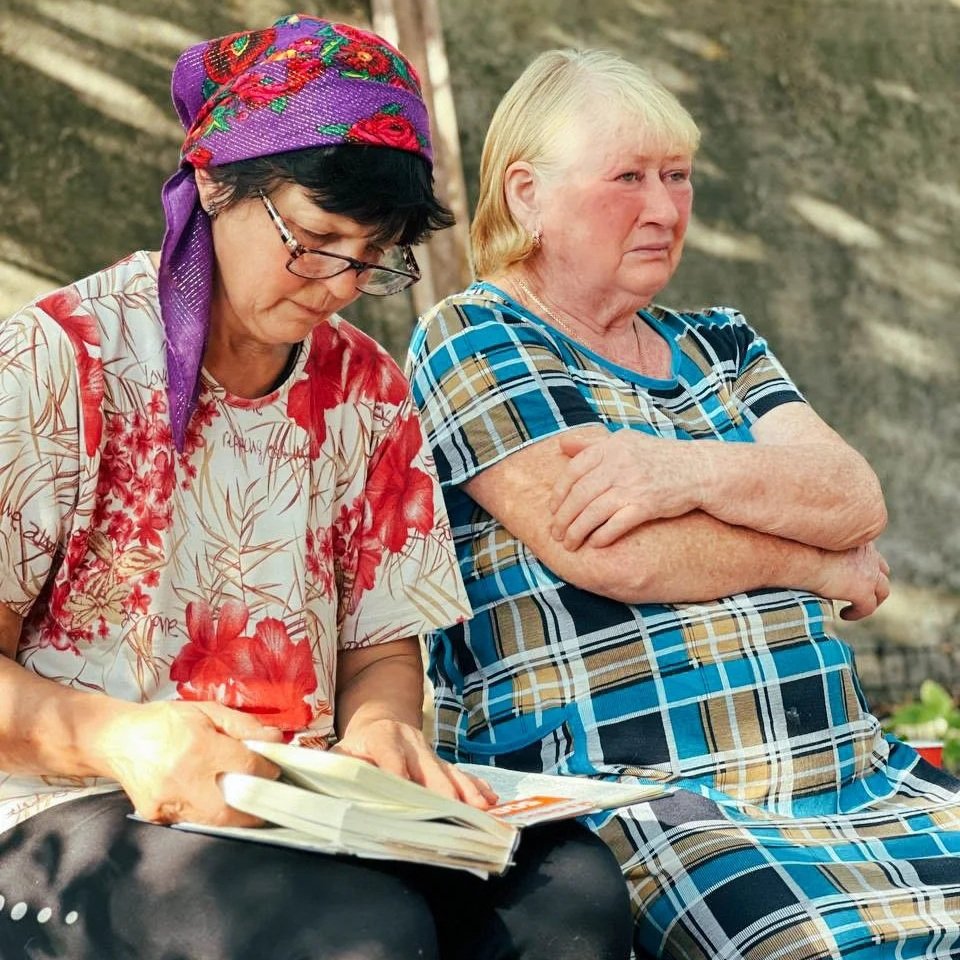
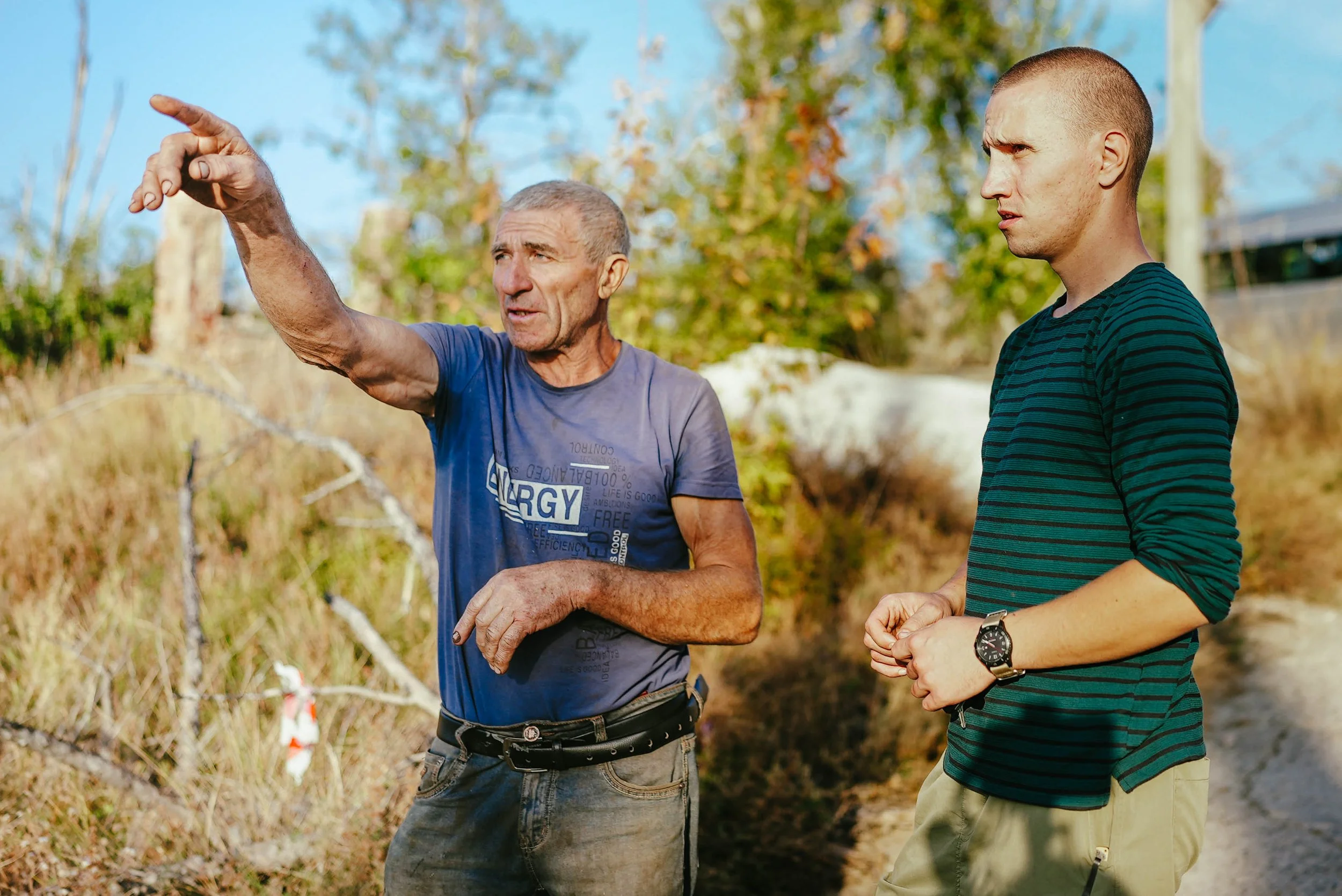
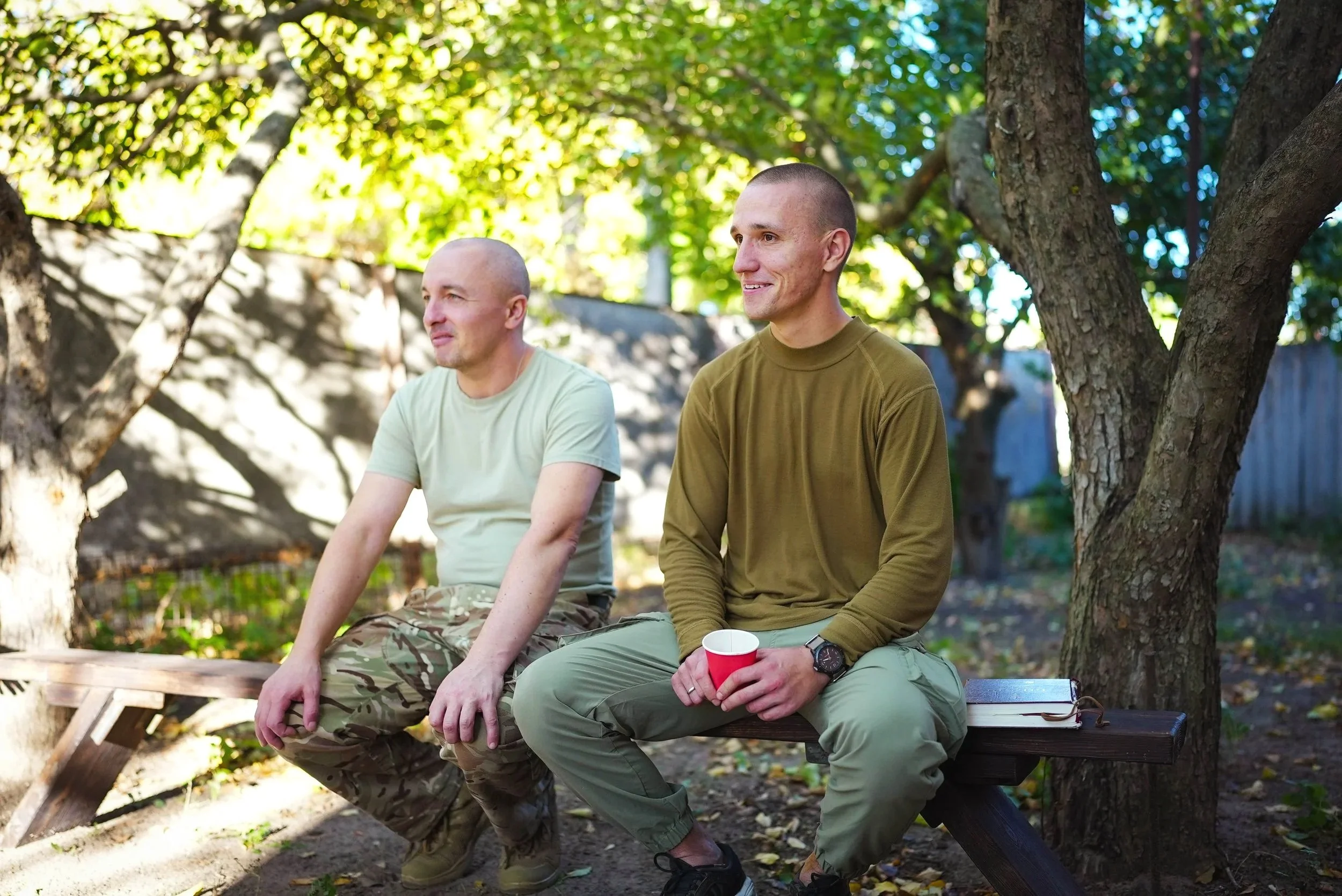
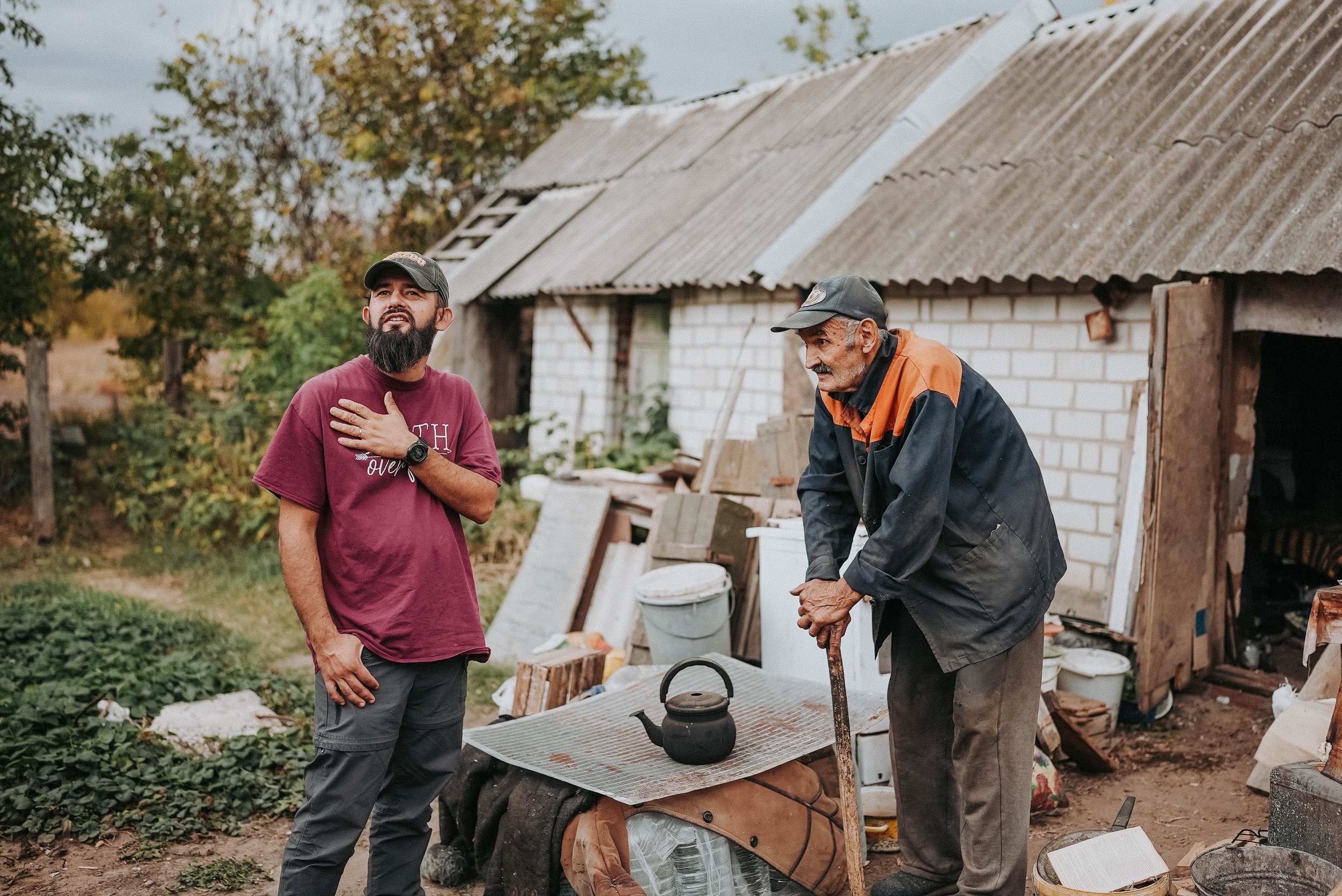
Our regular trips to eastern frontline towns, include bringing practical care such as home repairs, food, and other essential aid to families affected by conflict. We work to build loving, supportive relationships, help start new house churches, and strengthen the work of local churches. Another main focus of these trips is serving and ministry to soldiers, particularly those fighting on the front-lines.
Mission Trips
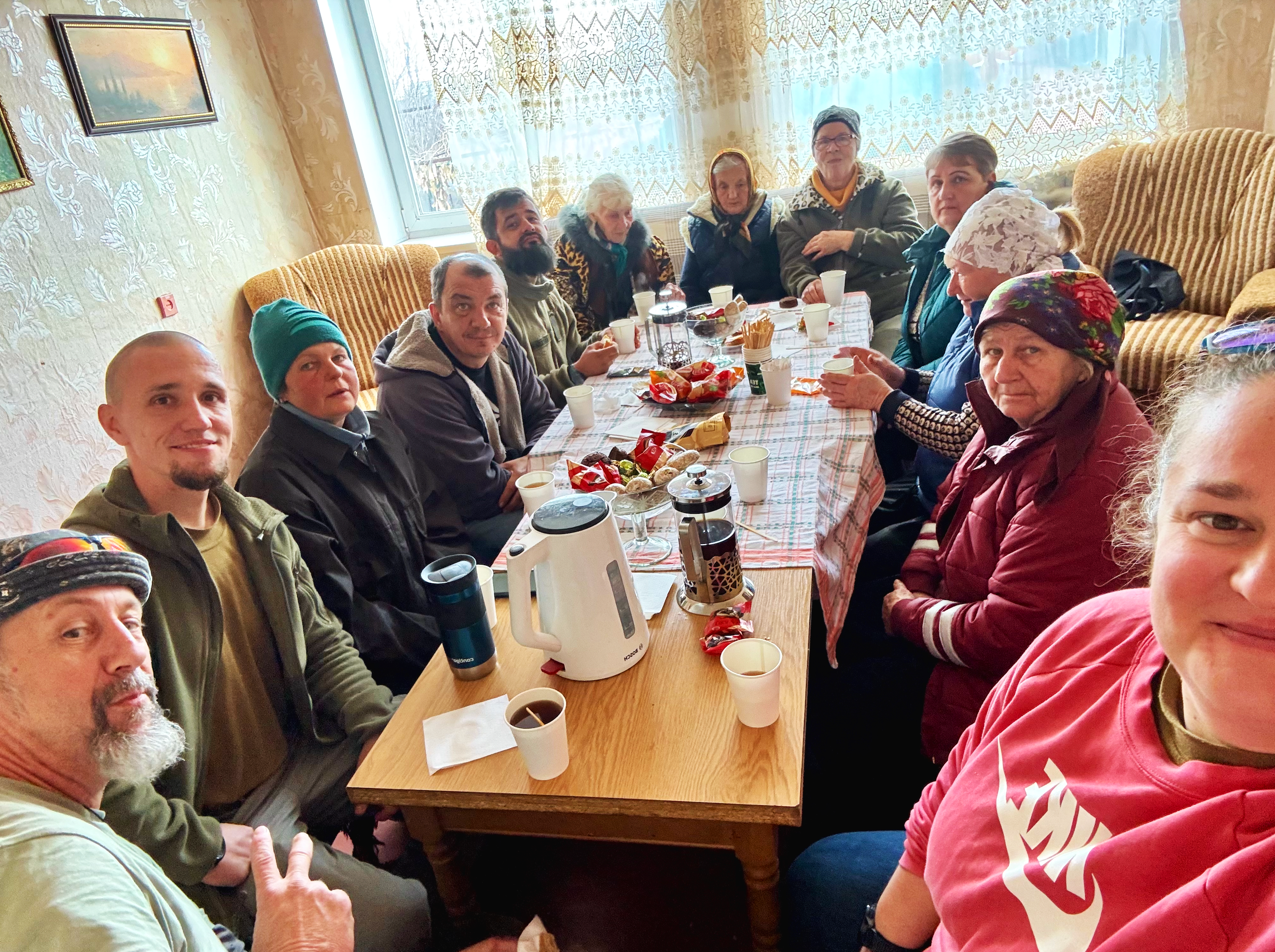
We believe the most effective way to reach and impact people in Eastern Ukraine is by making disciples who make disciples. Discipleship is built through life-giving, long-lasting relationships marked by trust, deep care, and genuine love. When someone knows they are truly loved, their heart opens to receiving that love from Jesus—and to sharing it with others, who will then pass it on.
Making Disciples
Our social initiatives provide support to help people cope with the trauma and stress of conflict. Through psychological counseling, art therapy, and sports activities, participants find healing, connection, and hope in a safe and nurturing environment.
Social Initiatives
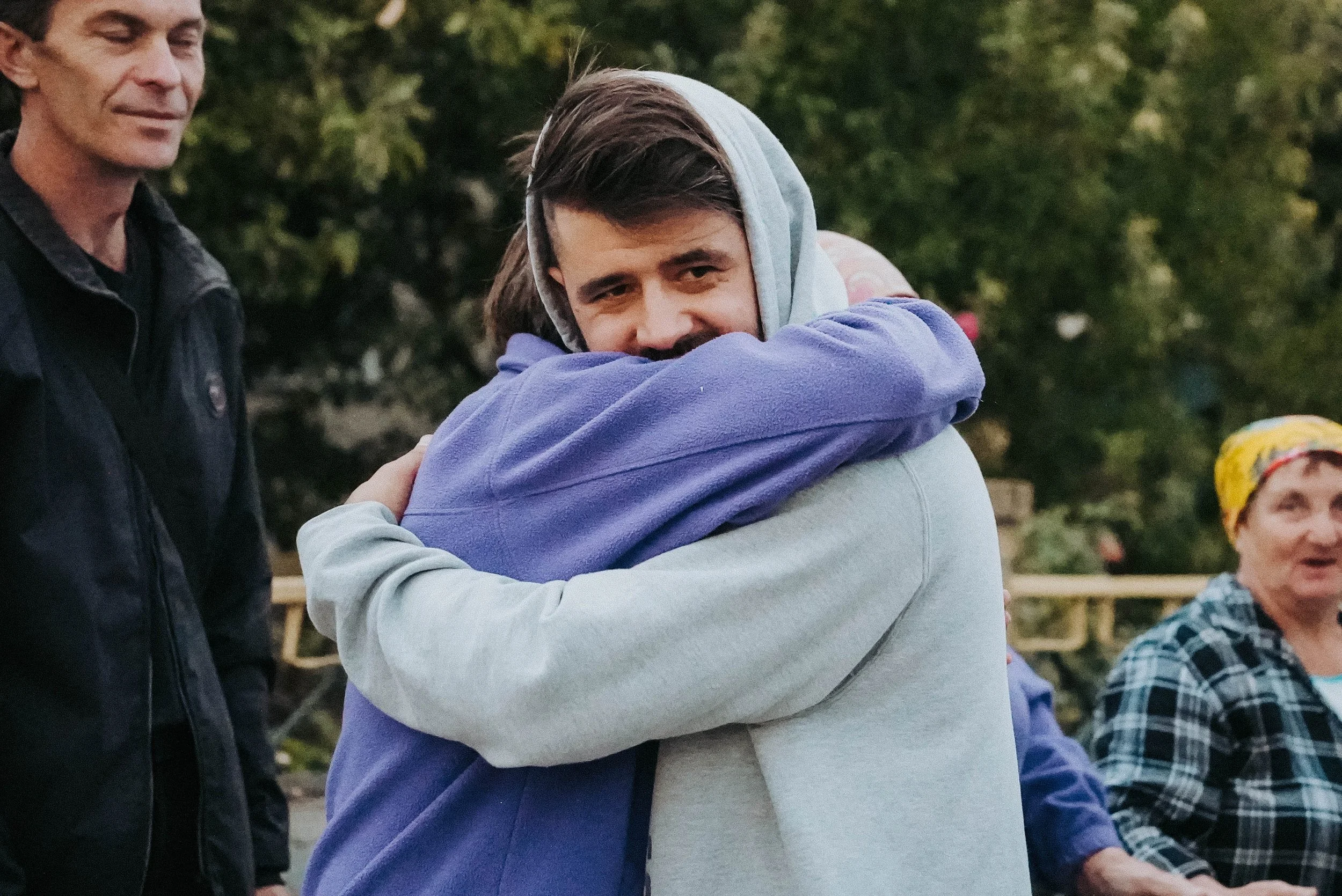
The ongoing conflict has created immense stress and uncertainty for young people, leaving many feeling isolated and overwhelmed. Our youth clubs offer music, creative arts, and sports programs that provide a safe space to express themselves, build friendships, and experience joy and community.
Youth Clubs
In the midst of war and hopelessness, addiction has become a growing struggle for many. Our support center offers anonymous meetings, spiritual guidance, and the potential development of a rehab facility to bring healing, hope, and restoration to those in need.
Support Center for Those in Addiction
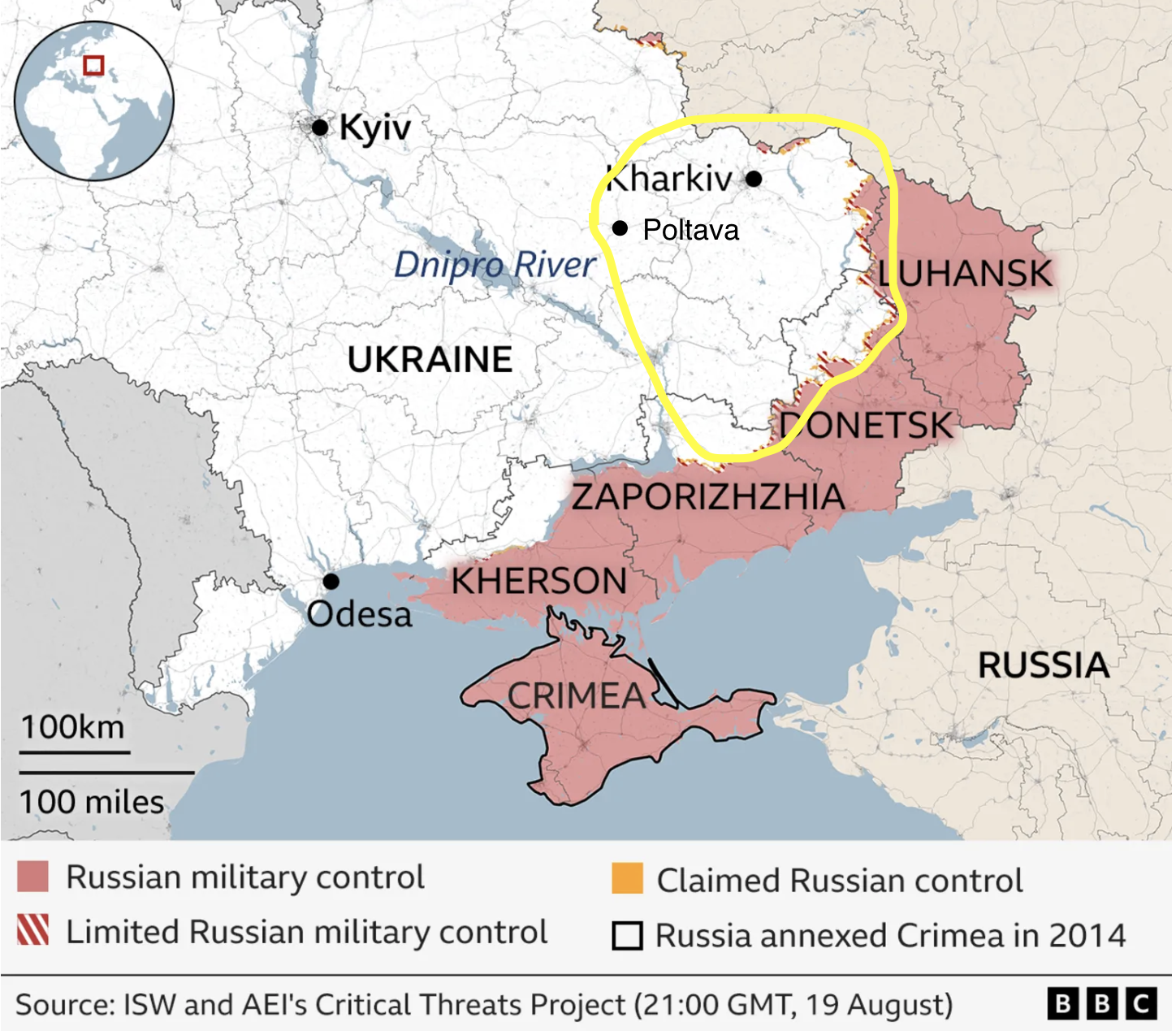
Where We Serve
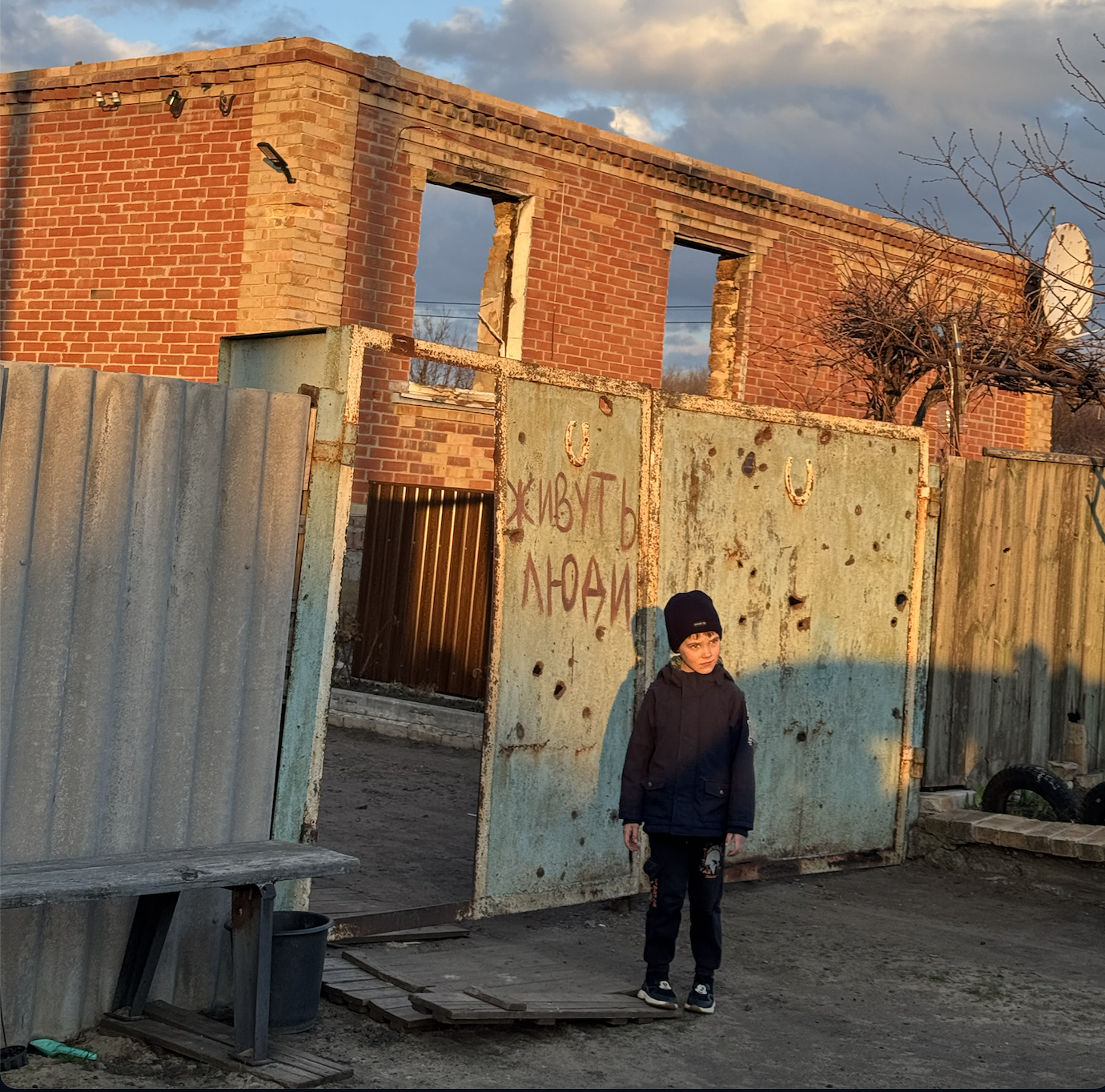
Harvest Ukraine operates in Eastern Ukraine. Our missionaries are based in Poltava Oblast and serve both Poltava and the Eastern region, which faces constant attack from Russia. Many villages we serve in have been occupied by Russia, liberated, and now once again facing great threat of occupation. Life for these villagers includes continues missile raids with constant explosions being a part of everyday life. Many of the villagers left are those without the means to life, including many widows, elderly and poor families.
Mission Strategies
Phase 1
Form a small group of disciples (5–12 people) who will meet regularly.
Emphasize close relationships: shared meals, Bible study, and prayer.
Begin youth engagement through creative evenings (music, singing, clay art, board games).
Conduct humanitarian and missionary trips to eastern villages every 2–3 weeks.
Search for and rent a space for future gatherings.
Support ongoing house churches in eastern villages
Phase 2
Grow the group to 20–30 participants in Poltava.
Launch regular meetings for people with addictions (support groups).
Open an official youth club in a rented space.
Establish partnerships with psychologists and coaches.
Develop a team of missionaries for trips to the east.
Possible opening of a local church in Poltava
Expand the humanitarian program (provide housing in Poltava for displaced persons, regular support for families and individuals).
Phase 3
Build a stable community of 50+ participants.
Organize weekly large gatherings and several small groups.
Create ministries for sports and rehabilitation of those overcoming addictions.
Prioritize home repair and rebuild after the war expand, and provide more housing for displaced persons
Begin forming new local groups in nearby cities.